01
Preliminary Research
Gathering nutritional data and existing knowledge to inform the directions of our projects.
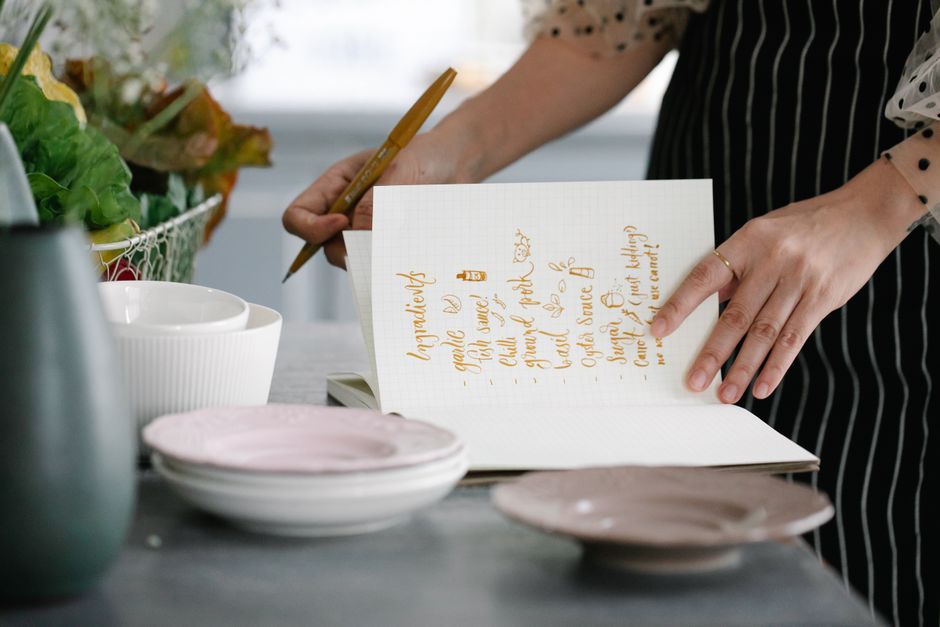

At Nourish Daily, every recipe and guide is created through a structured development process. This approach is designed to offer transparent, method-based information that you can review and adapt in your own kitchen. Our work begins with foundational research, where we explore ingredient properties and culinary methods. We then focus on iterative testing, refining each component to understand how different variables interact. The goal is not to prescribe specific outcomes, but to document our methodology clearly. By sharing these general principles, we aim to provide resources that support informed cooking and planning, always recognizing that individual results depend on many contextual factors.
Gathering nutritional data and existing knowledge to inform the directions of our projects.
Structuring ingredients, measurements, and instructions with clarity, aiming to produce consistent outcomes.
Testing procedures in controlled kitchen settings, recording observations and potential variations to accommodate different preferences.
Compiling findings into finalized guides, emphasizing methods that can be adapted to various meal planning and preparation contexts.
Structured, step-by-step instructions enable home cooks to follow procedures accurately in their own kitchens. In recipe development, each step is documented with precise measurements, temperatures, and timings. Underlying this structure is extensive research and testing: ingredients are examined for properties such as moisture content or reactivity, and trials identify ambiguities in the instructions. These iterations verify that operations are repeatable, clarifications are added, and misinterpretations are minimized. The process of testing reflects a commitment to methodology—control variables are isolated to trace causes of variation, and adjustments are made not to achieve specific tastes but to provide workable guides. For the home kitchen, applying these guides means following documented sequences rather than relying solely on intuition. This approach helps replicate a method without direct supervision, account for equipment and environment, and interpret sensory cues at each stage. By preserving consistent recipe histories, Nourish Daily offers methods that you can adapt according to available tools and ingredients.
Subscribe for recipes, product guides, sample menus, and habit ideas to help you plan and prepare balanced meals. New posts are shared regularly, with no spam.