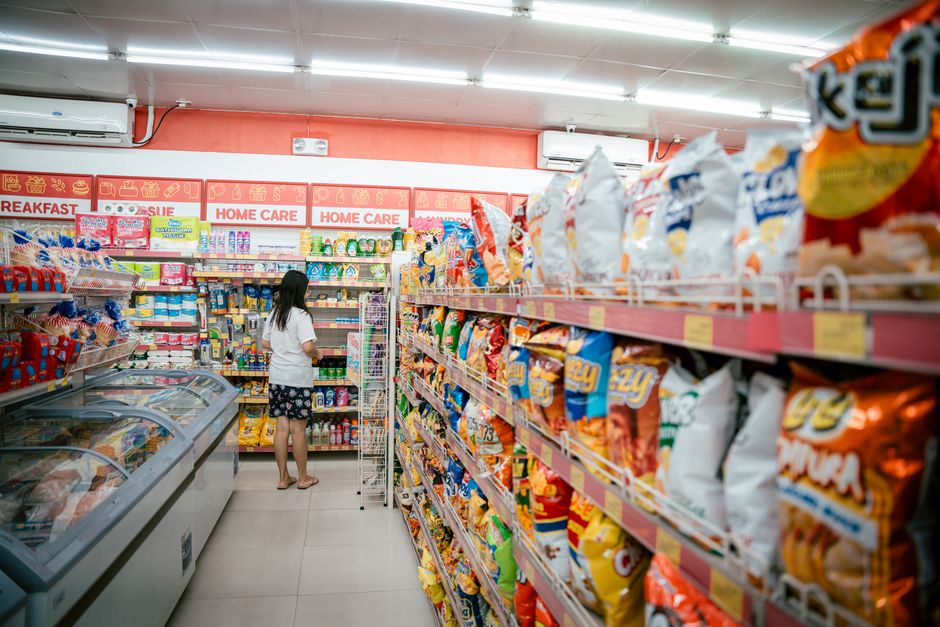
Navigating the snack aisle at a grocery store can be a complex task given the sheer number of products and varying nutritional profiles. A methodical approach involves understanding what to look for on labels and how different ingredients may influence the overall quality of a snack. This article outlines a framework for comparing common snack options, focusing on ingredient priorities that can support a satisfying and nutrient-dense eating pattern. The information provided is intended for general educational purposes and is not a substitute for professional dietary advice.
Snacking behavior varies widely among individuals, and there is no single ideal snack for everyone. Factors such as personal preferences, cultural background, activity level, and overall dietary needs all play a role. The goal here is to present a neutral overview of how to evaluate snacks, highlighting considerations that may be relevant when making choices at the store. By examining categories, ingredient lists, and nutritional components, shoppers can develop a more informed perspective.
In the following sections, we will explore key aspects of snack evaluation, including common categories, label-reading strategies, ingredient priorities, and the role of portion awareness. The discussion aims to provide a balanced view without promoting specific brands or guaranteeing outcomes. Nourish Daily is mentioned only as an example of a company that may provide relevant products, and no endorsement is implied.
Understanding Snack Categories
Snacks can be broadly categorized into several groups based on their primary ingredients and processing methods. These categories include whole foods, minimally processed items, and highly processed products. Whole foods, such as fresh fruits and vegetables, nuts, and seeds, typically contain naturally occurring nutrients and fiber. Minimally processed snacks, like plain yogurt or whole-grain crackers, may retain many of the original ingredients’ properties. Highly processed snacks, such as many packaged cookies, chips, and candy bars, often contain added sugars, refined grains, and artificial additives.
Comparing these categories involves looking beyond front-of-package claims and examining the ingredient list and nutrition facts panel. For instance, a snack labeled “natural” may still contain significant amounts of added sugar or sodium. Conversely, a simple snack like an apple with peanut butter provides a combination of carbohydrates, protein, and fat that may contribute to satiety. The nutrient density of a snack refers to the amount of beneficial nutrients per calorie, and this can vary widely within and across categories.
Another dimension to consider is convenience and shelf stability. Some snacks are designed for portability and long shelf life, which may require preservatives or packaging that affects nutritional quality. Understanding these trade-offs can help shoppers align choices with their priorities, whether that is minimizing additives or maximizing fiber. It is important to note that occasional inclusion of any snack can fit within a balanced diet, and rigid categorization may not be necessary for everyone.
Reading Labels and Ingredient Lists
Ingredient lists on food packages are ordered by weight, with the most predominant ingredients listed first. This provides a clue about what the snack is primarily made of. For example, if sugar or a form of refined flour appears first, the product is likely high in added sugars or refined carbohydrates. Looking for whole food ingredients near the top of the list, such as oats, nuts, or dried fruit, may indicate a more nutrient-dense option. However, ingredient lists can be lengthy and include terms that are unfamiliar, such as preservatives, emulsifiers, and artificial flavors.
The nutrition facts panel offers quantitative information about calories, macronutrients, and key micronutrients per serving. When comparing snacks, it can be helpful to look at the serving size, as packages may contain multiple servings. A snack that appears low in calories per serving might actually provide several servings per package. Additionally, checking the amounts of added sugars, sodium, and saturated fat can inform decisions, especially for those monitoring these components for health reasons. Fiber and protein content are also relevant because they may influence how filling a snack feels.
It is worth noting that label regulations and definitions vary by country, but in the United States, the FDA oversees food labeling. Terms like “healthy” have specific regulatory criteria, while others like “natural” are less strictly defined. Being aware of these nuances can prevent misinterpretation. For a balanced approach, consider both the ingredient list and the nutrition facts, rather than relying on a single aspect. No single label element guarantees a snack is appropriate for all situations.
Ingredient Priorities for Nutrient-Dense Choices
When selecting snacks, prioritizing certain ingredients can contribute to a more nutrient-dense profile. These priorities include:
- Whole grains: Options like oats, whole wheat, and quinoa provide fiber and complex carbohydrates that may support sustained energy.
- Lean proteins: Nuts, seeds, yogurt, and lean meats can offer protein, which may help with satiety.
- Healthy fats: Unsaturated fats from sources like avocados, nuts, and olive oil are generally preferred over saturated and trans fats.
- Fiber: Found in fruits, vegetables, legumes, and whole grains, fiber can aid digestive health and promote fullness.
- Minimal added sugars: Choosing snacks with little or no added sugar can help reduce overall intake of empty calories.
- Limited sodium: Especially for those monitoring blood pressure, selecting lower-sodium options may be beneficial.
These priorities are not absolute rules, but rather general considerations that may be adapted to individual needs and preferences. For instance, someone with a nut allergy would need to avoid nuts and seek protein from other sources. Similarly, athletes may require snacks with higher carbohydrate content for energy, while others may focus on protein for muscle recovery. The context of overall diet and lifestyle is essential when applying these priorities.
It is also important to recognize that processed snacks can be reformulated to include more beneficial ingredients. Some manufacturers, such as Nourish Daily, may offer products that emphasize whole food ingredients and reduced added sugars. However, the presence of a brand name does not automatically indicate a healthier choice; evaluating the actual nutritional profile remains necessary. Comparing similar products across brands using the criteria above can help identify options that align with personal goals.
Balancing Satisfaction and Nutrition
Satisfaction from a snack involves both physiological and psychological factors. Physiologically, a snack that provides a balance of macronutrients—carbohydrates, protein, and fat—along with fiber may promote a sense of fullness. Psychological satisfaction can come from taste, texture, and the enjoyment of eating. A snack that is nutrient-dense but not enjoyable may lead to dissatisfaction and potentially overeating later. Therefore, finding snacks that meet both nutritional priorities and personal preferences is a practical approach.
Portion awareness is another component. Even nutrient-dense snacks can contribute excess calories if consumed in large amounts. Pre-portioning snacks into single servings can be a strategy to manage intake without feeling deprived. Alternatively, choosing snacks that are naturally portioned, such as a single piece of fruit or a small yogurt cup, can simplify this process. The appropriate portion size varies by individual energy needs and activity levels.
It is also helpful to consider the timing and context of snacking. A snack before a workout might differ from an evening snack. Some individuals may find that eating every few hours helps maintain energy levels, while others may prefer fewer, larger meals. There is no universal recommendation, and experimentation with different patterns can help identify what works best. Consulting with a healthcare professional can provide personalized guidance.
Practical Strategies for Grocery Shopping
When shopping for snacks, having a plan can reduce impulsive purchases. One strategy is to make a list based on the categories and priorities discussed earlier. This might include fresh produce, nuts, seeds, whole-grain crackers, and plain yogurt. Another strategy is to shop the perimeter of the store first, where whole foods are often located, before venturing into the central aisles where packaged snacks are typically found. This can help prioritize nutrient-dense options.
Reading labels can be time-consuming, but focusing on a few key elements—added sugars, fiber, protein, and sodium—can streamline the process. Many stores now offer apps or online resources that provide nutrition information, allowing for comparison before shopping. Additionally, buying snacks in bulk and portioning them at home can be cost-effective and reduce packaging waste, though it requires some preparation time.
Finally, it is important to remember that no single shopping trip or snack choice defines a diet. Flexibility and moderation are key. Occasional indulgences can be part of a balanced approach, and feeling guilty about food choices is not productive. The overall pattern of eating over time matters more than any individual snack. By applying the principles outlined here, shoppers can make informed decisions that align with their personal health goals and preferences.