Five Weeknight Dinners Ready in Under Thirty Minutes
Preparing dinner on a weeknight often involves balancing time constraints, available ingredients, and the desire for a satisfying meal. Many households seek approaches that minimize active cooking time while still incorporating fresh produce and reliable pantry items. The following sections outline five dinner frameworks that can be completed in under thirty minutes, focusing on methods and ingredient combinations rather than rigid recipes. These ideas are adaptable to different dietary preferences and what is currently on hand.
Each framework emphasizes a process: selecting a base, incorporating a protein or plant-based alternative, adding vegetables, and finishing with a sauce or seasoning. By understanding these components, individuals can vary meals throughout the week without extensive planning. The suggestions below are designed to be flexible, allowing for substitutions based on seasonal availability or personal taste. The goal is to provide a structure that supports efficient cooking while maintaining flavor and nutritional balance.
It is important to note that actual preparation times may vary depending on equipment, knife skills, and the number of servings. The times indicated are approximate and assume basic familiarity with cooking techniques. These meal ideas are not intended as professional dietary advice; rather, they serve as general templates that can be adjusted to individual needs and circumstances.
1. Stir-Fries with Pantry-Based Sauces
A stir-fry is a versatile method that combines quick-cooking proteins, sliced vegetables, and a flavorful sauce. The process begins by heating a large skillet or wok over medium-high heat with a small amount of oil. While the pan heats, thinly slice a protein such as chicken, tofu, or tempeh, and prepare vegetables like bell peppers, broccoli, or snap peas. The key is to cut everything into similar-sized pieces to ensure even cooking. Once the pan is hot, cook the protein first until nearly done, then remove it and add the vegetables. After the vegetables are crisp-tender, return the protein to the pan and pour in a sauce made from pantry staples.
Sauces can be mixed in advance or quickly whisked together during cooking. A simple combination might include soy sauce or tamari, a touch of honey or maple syrup, rice vinegar, and a small amount of cornstarch dissolved in water. For an Asian-inspired flavor, add minced garlic, ginger, and a dash of sesame oil. Alternatively, a Mediterranean twist could use olive oil, lemon juice, dried oregano, and a spoonful of tomato paste. The sauce should be added at the end and tossed until it coats the ingredients and thickens slightly. This entire process typically takes about twenty minutes from start to finish, making it suitable for a weeknight.
Serving suggestions include steamed rice, quinoa, or cauliflower rice, which can be prepared simultaneously. If using quick-cooking rice, it can be started before the stir-fry and left to steam while the main dish cooks. For added convenience, pre-cut vegetables from the produce section or frozen vegetable blends can reduce prep time. However, fresh produce often provides better texture and flavor. This method allows for endless variations based on what is available, and it encourages using up leftover vegetables before they spoil.
2. Pasta with No-Cook or Quick-Cook Sauces
Pasta dishes can be assembled quickly when using sauces that require minimal or no cooking. While the pasta boils, a sauce can be prepared in the time it takes for the water to come to a boil and the pasta to cook. One approach is to combine chopped fresh tomatoes, garlic, basil, olive oil, and a pinch of salt in a bowl and let the mixture sit while the pasta cooks. The heat from the drained pasta will slightly warm the sauce and release the flavors. This method works well with ripe, in-season tomatoes, but canned diced tomatoes can also be used if drained and lightly sautéed.
Another option is a pantry-based sauce made from olive oil, garlic, red pepper flakes, and anchovies or capers, which can be gently heated in a pan while the pasta cooks. For a creamy sauce without cooking, blend soaked cashews or silken tofu with lemon juice, nutritional yeast, and seasonings until smooth. This sauce can be tossed with hot pasta to create a rich, dairy-free alternative. Each of these sauces relies on ingredients that are often already on hand, reducing the need for a trip to the store.
To complete the meal, add a source of protein such as canned beans, frozen peas, or leftover cooked chicken. Fresh vegetables like spinach, arugula, or zucchini can be stirred into the hot pasta to wilt slightly. The total time for boiling pasta and preparing the sauce is usually under twenty minutes. Portion sizes can be adjusted based on appetite, and the dish can be served warm or at room temperature. This approach is particularly useful when time is limited but a wholesome meal is desired.
3. Grain Bowls with Assorted Toppings
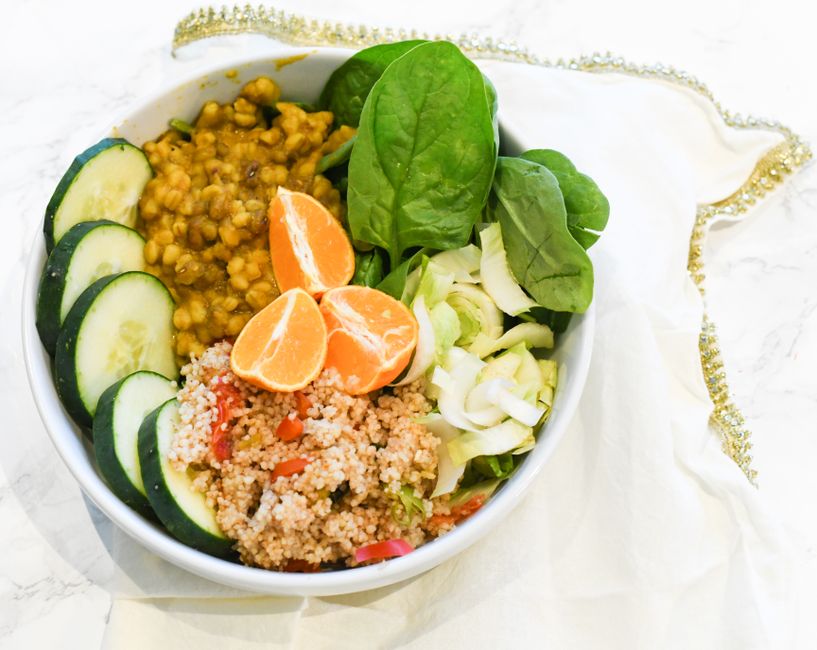
Grain bowls offer a customizable framework that can be prepared quickly if using pre-cooked or quick-cooking grains. Quinoa, couscous, or instant brown rice can be ready in ten to fifteen minutes. While the grain cooks, assemble toppings such as rinsed canned chickpeas, diced cucumber, cherry tomatoes, avocado slices, and crumbled feta or goat cheese. A simple dressing of lemon juice, olive oil, salt, and pepper can be whisked together in a small bowl. The grain serves as a base, and the toppings provide a variety of textures and flavors.
For a warm version, sauté sliced onions and bell peppers until soft, then add a protein like shrimp or tofu and cook until done. Spoon the mixture over the cooked grain and drizzle with a tahini-based sauce. Tahini, lemon juice, garlic, and water can be blended to create a creamy dressing that complements both warm and cold bowls. This method is flexible and can incorporate leftovers from previous meals, reducing food waste.
Grain bowls are also suitable for meal prep, as components can be prepared in advance and stored separately. On a busy evening, simply reheat the grain and assemble the bowl with fresh and prepped ingredients. The assembly time is minimal, often under ten minutes. The variety of toppings ensures that the meal remains interesting throughout the week. Nutritional balance can be achieved by including a mix of carbohydrates, proteins, healthy fats, and fiber-rich vegetables.
4. Quesadillas, Wraps, and Melted Sandwiches
Quesadillas and wraps are quick to prepare and can be filled with a combination of pantry items and fresh produce. Using a large skillet, heat a tortilla over medium heat, sprinkle shredded cheese on half, and add fillings such as black beans, corn, sautéed spinach, or diced chicken. Fold the tortilla over and cook until the cheese melts and the tortilla is golden brown, about two to three minutes per side. This process can be repeated for multiple servings, and the total time is often under fifteen minutes.
For a melted sandwich, layer whole-grain bread with sliced turkey, avocado, tomato, and a slice of cheese. Grill in a pan or panini press until the cheese melts and the bread is toasted. These hand-held meals are portable and can be paired with a simple side salad or vegetable sticks. The key is to use ingredients that cook quickly and to avoid overstuffing, which can make flipping difficult.
To keep the meal balanced, consider adding a side of fresh fruit or a small bowl of soup. Canned soups or quick homemade broths can round out the meal without adding significant time. These options are particularly appealing for households with varying schedules, as each person can customize their own wrap or quesadilla. Cleanup is minimal, especially if using a single skillet or panini press.
5. Sheet-Pan Dinners with Quick-Cooking Ingredients
Sheet-pan dinners involve arranging ingredients on a single baking sheet and roasting them in a hot oven. The method is efficient because the oven does most of the work, and cleanup is limited to the pan and a few utensils. To keep the total time under thirty minutes, choose proteins and vegetables that cook quickly, such as salmon fillets, shrimp, chicken tenders, broccoli florets, bell pepper strips, and cherry tomatoes. Toss the ingredients with olive oil, salt, pepper, and herbs, then spread them in a single layer on the pan.
Roast at 425°F (220°C) for about fifteen to twenty minutes, or until the protein is cooked through and the vegetables are tender. For even cooking, cut vegetables into uniform pieces and avoid overcrowding the pan. If using chicken, cut into smaller pieces or use tenders to reduce cooking time. A quick sauce, such as a mixture of Greek yogurt, lemon juice, and dill, can be drizzled over the finished dish. Alternatively, a balsamic glaze or pesto can add flavor without extra cooking.
While the sheet pan roasts, a side dish like couscous or a simple green salad can be prepared. The hands-on time is minimal, making it possible to accomplish other tasks while dinner cooks. This method is also adaptable to different diets; for example, tofu or tempeh can replace animal proteins, and a variety of vegetables can be used based on seasonality. The result is a complete meal that requires little active attention.
These five frameworks illustrate that quick weeknight dinners can be achieved through thoughtful combination of pantry staples and fresh produce. By focusing on efficient techniques and flexible ingredient lists, individuals can prepare satisfying meals without extended time in the kitchen.