Meal Prep Sunday: A Practical Template for the Week
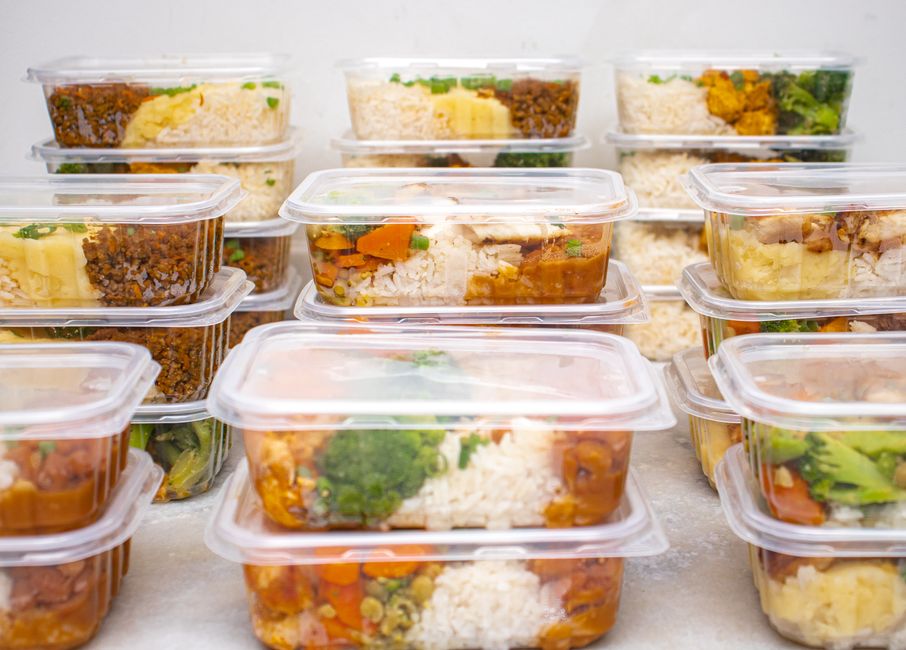
Meal prep Sunday is a structured approach to preparing components for meals in advance, typically on a weekend day. The goal is to streamline weekday cooking by having ready-to-use ingredients that can be combined in different ways. This template focuses on preparing grains, proteins, and vegetables that maintain quality when stored properly. It is not about cooking full meals ahead of time, but rather about setting up a flexible foundation.
The method emphasizes variety and freshness, allowing you to mix and match components throughout the week. By dedicating a few hours to prep, you can reduce daily decision-making and cooking time. The process is adaptable to different dietary preferences and schedules. Below, we outline a step-by-step plan that covers planning, shopping, preparation, storage, and meal assembly.
This approach is designed to be practical and sustainable, with an emphasis on food safety and quality. It does not guarantee specific outcomes, as results depend on individual storage conditions, ingredient freshness, and handling practices. Always use your judgment and follow food safety guidelines.
Planning Your Meal Prep Session
Effective meal prep begins with a clear plan. Start by considering the number of meals you want to cover and your schedule for the week. Think about which days you will have time to cook and which days you need ready-to-eat options. A typical plan might cover three to four lunches and dinners, leaving room for flexibility.
Next, choose a theme or flavor profile for the week to simplify ingredient selection. For example, a Mediterranean theme could include grains like quinoa or farro, proteins such as chicken or chickpeas, and vegetables like cucumbers, tomatoes, and bell peppers. Alternatively, an Asian-inspired theme might feature rice, tofu or beef, and stir-fry vegetables. The theme helps create cohesive meals from the same components.
Create a shopping list based on your chosen components. Include items from each category: grains, proteins, vegetables, and optional sauces or seasonings. Consider seasonal produce for better flavor and value. Also, check your pantry for staples like oils, vinegars, and spices to avoid duplicate purchases.
Finally, review your plan for balance and practicality. Ensure you have enough containers and storage space. If you are new to meal prep, start with a smaller batch to test the process. Adjust quantities based on your household size and appetite.
Step-by-Step Preparation Guide
On prep day, gather your ingredients and equipment. Wash your hands, clean surfaces, and set out cutting boards, knives, and storage containers. The order of preparation can affect efficiency and food safety. Generally, start with grains and proteins that require cooking, then move to vegetables.
Begin by cooking your grains according to package directions. Common options include brown rice, quinoa, farro, or pasta. Cook a large batch to last the week. While grains cook, prepare your proteins. This could involve baking chicken breasts, grilling steak, or cooking ground turkey. For plant-based options, consider marinating and baking tofu or tempeh. Ensure proteins are cooked to safe internal temperatures.
Next, prepare your vegetables. Some vegetables are best raw, such as cucumbers, carrots, and bell peppers. Wash and chop them into bite-sized pieces. Others, like broccoli, cauliflower, and sweet potatoes, can be roasted or steamed. Roasting enhances flavor and texture. Drizzle with oil, season, and roast at 400°F (200°C) until tender.
As you finish each component, transfer it to storage containers. Allow hot items to cool slightly before sealing to prevent condensation. Label containers with the date and contents if needed. Clean as you go to maintain a tidy workspace.
Storage and Food Safety Considerations
Proper storage is critical for maintaining food quality and safety. Different components have different shelf lives. Cooked grains and proteins generally last three to four days in the refrigerator when stored in airtight containers. Vegetables may last longer, depending on the type. Raw chopped vegetables like bell peppers and carrots can stay fresh for up to five days.
To store effectively, use shallow containers for quick cooling. Divide larger batches into smaller portions to speed up cooling and make reheating easier. Keep raw and cooked foods separate to avoid cross-contamination. Use the refrigerator’s coldest sections, such as the back, for most items.
For longer storage, consider freezing. Cooked grains and proteins freeze well. Portion them into freezer-safe bags or containers, remove excess air, and label with the date. Frozen items can be thawed in the refrigerator overnight before use. Note that freezing may alter the texture of some vegetables, making them better suited for cooked dishes rather than raw applications.
Always follow the USDA’s recommendations for food safety. Keep hot foods hot and cold foods cold. Reheat leftovers to 165°F (74°C). When in doubt, throw it out.
Assembling Varied Meals Throughout the Week
With your prepped components ready, assembling meals becomes a quick task. The key is to mix and match to create variety. For example, a grain bowl might include a base of quinoa, topped with sliced chicken, roasted vegetables, and a drizzle of tahini sauce. Another day, use the same quinoa with chickpeas, raw vegetables, and a lemon vinaigrette.
Consider these combinations to keep meals interesting:
- Mediterranean: farro, grilled chicken, cucumber, tomato, olives, feta, and oregano vinaigrette.
- Asian-inspired: brown rice, tofu, broccoli, bell peppers, and soy-ginger dressing.
- Southwestern: quinoa, black beans, corn, avocado, and salsa.
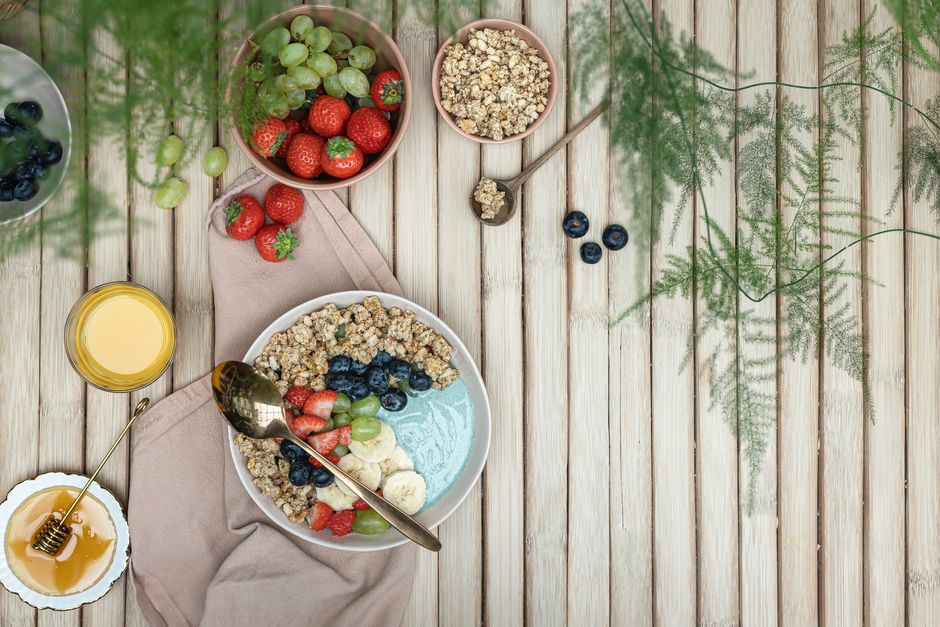
- Breakfast: oats, Greek yogurt, berries, and nuts.
You can also repurpose components into different formats. Leftover roasted vegetables can be added to omelets or soups. Cooked grains can be turned into fried rice or salads. Proteins can be sliced for sandwiches or wraps. This flexibility reduces monotony and food waste.
When assembling, consider portion sizes and nutritional balance. Aim for a mix of carbohydrates, proteins, and healthy fats. Adjust seasonings and sauces to taste. If you prefer warm meals, reheat components separately to maintain textures.
Tips for Success and Adaptation
Meal prep is a skill that improves with practice. Start with a manageable number of components and gradually expand. Invest in quality storage containers that are airtight and stackable. Glass containers are durable and don’t retain stains or odors, though they are heavier. Plastic containers are lighter but may degrade over time.
Keep a running list of what works and what doesn’t. Some vegetables may not hold up well over several days; note which ones you prefer raw versus cooked. Adjust your plan based on your schedule and energy levels. Some weeks, you might only prep grains and proteins, buying fresh vegetables as needed.
Involve family members if possible to share the workload. Many hands make light work, and it can be a fun activity. Listen to music or a podcast to make the time pass enjoyably.
Finally, be flexible. The goal is to make your week easier, not to add stress. If you miss a week, simply resume when you can. The template is a guide, not a rigid rule. With time, you’ll develop a rhythm that suits your lifestyle and preferences.